 Comunications
News
The III China-LAC Forum concludes with the identification of six strategic pathways for long-term cooperation
Comunications
News
The III China-LAC Forum concludes with the identification of six strategic pathways for long-term cooperation
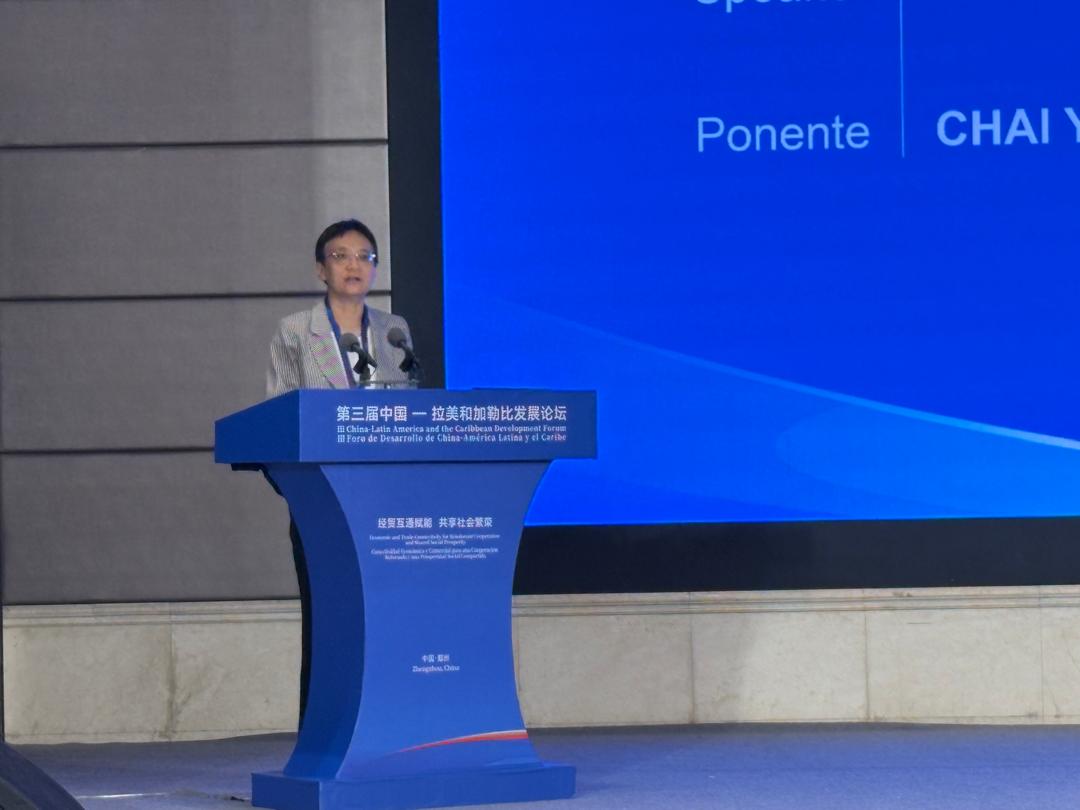
At the closing ceremony of the III Development Forum of Latin America and the Caribbean with China: economic and trade connectivity for enhanced cooperation and shared social prosperity, the Director-General of the Institute of Latin American Studies (ILAS) at the Chinese Academy of Social Sciences (CASS), CHAI Yu, outlined the six long-term development pathways structured around the six key areas discussed on 18 and 19 August at the meeting:
1.- Digital empowerment and poverty reduction
The experts agreed that digital technology plays a crucial role in enabling targeted poverty reduction. Against a backdrop of slowing growth, accelerating climate change and the digital divide, the adverse impacts on the Global South and vulnerable groups are widening, presenting unprecedented challenges to the Zero Hunger goal of the UN Agenda.
This requires strengthening international exchange in this field and improving global governance. By sharing common visions, China and Latin America and the Caribbean can deepen bilateral market links through digital cooperation, learn from each other’s experiences and ensure that the benefits of innovation, artificial intelligence and science reach vulnerable populations.
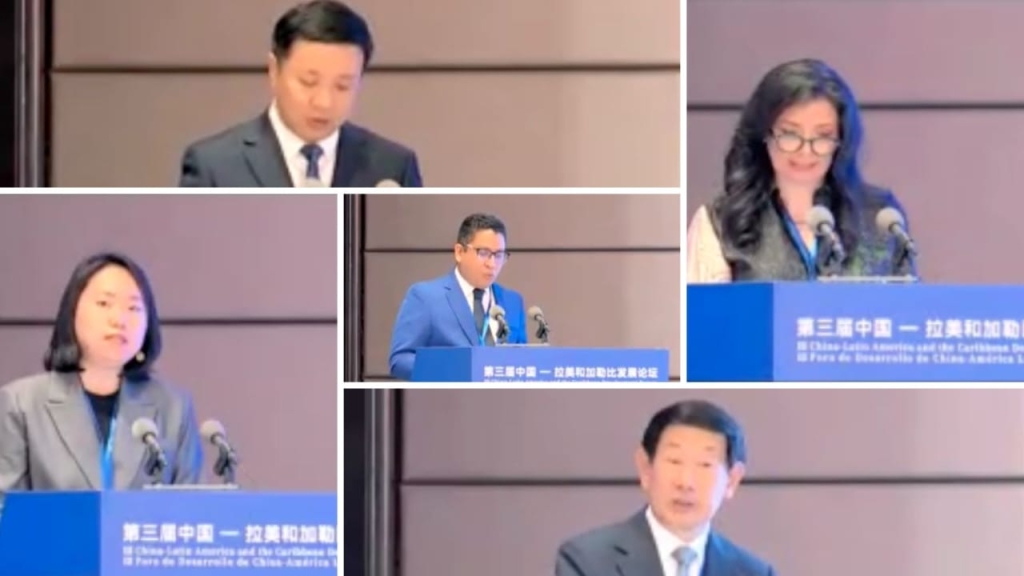
2.- Addressing demographic ageing and inclusive growth
Participants agreed that demographic ageing has a profound impact on the economic development and sustainable growth of both parties, and that it is vital to strengthen capacities through regional cooperation. Despite differences in starting points and rates of ageing, there is much to be learnt from one another to broaden the dialogue on the silver economy and poverty reduction, with a view to jointly addressing these challenges.
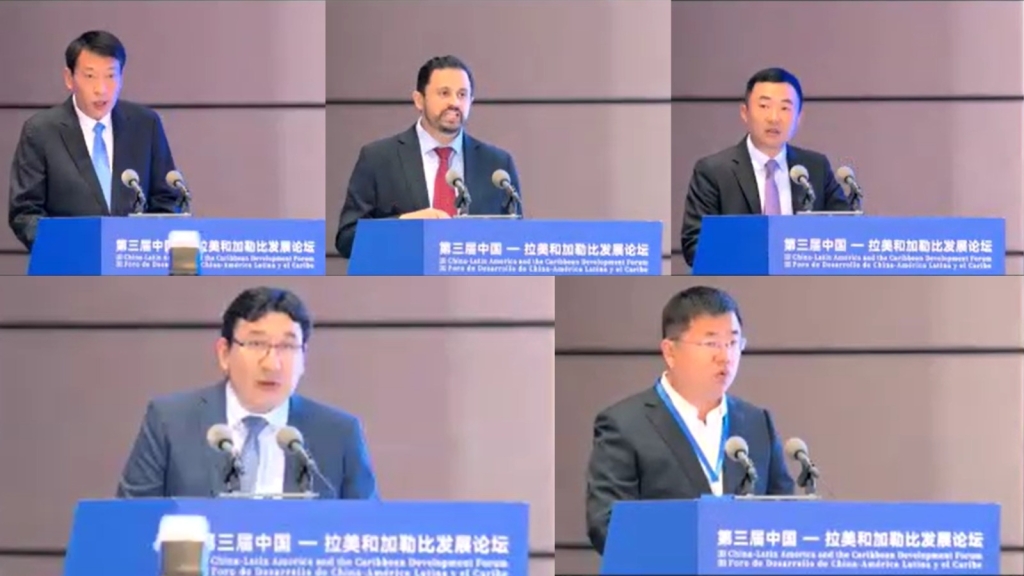
3.- Agri-food trade and livelihood empowerment
Speakers noted that agri-food trade is the cornerstone of trade cooperation between China and Latin America and the Caribbean, and that deepening this cooperation helps build a diversified, two-way trade system with risk mitigation measures. Both sides can align rules and standards, as well as deepen the synergy of industrial chains and digital connectivity to boost job creation, making the agri-food sector a true well-being industry for their populations.
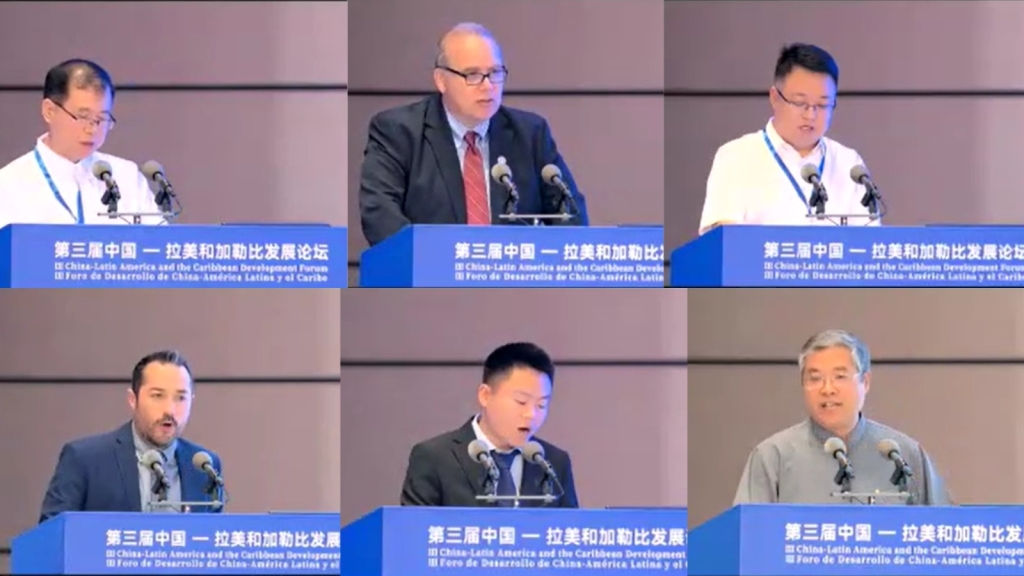
4.- Cooperation on renewable energy and scientific and technological innovation
Analysts highlighted the vast prospects for cooperation in renewable energy. The region must not continue to be merely a source of raw material exports but must drive its growth through technological transformation and innovation. In this regard, a model of local production should be explored to support the supply chain and local employment, while promoting the manufacture of battery materials and new energy components in Latin America and the Caribbean, encouraging deep processing of critical minerals such as lithium and copper, and aligning with international standards.
5.- Trade logistics and employment generation
Experts pointed out that the interoperability of infrastructure must be linked to the modernisation of supply chains and technological innovation as a key tool for inclusive growth. In this area, the aim is to deepen cooperation in artificial intelligence and smart trade logistics through cross-border pilot projects and long-term mechanisms to train qualified talent in cross-border e-commerce, with the aim of moving cooperation beyond the simple exchange of goods towards joint human capital development, the establishment of standards and industrial integration.

6.- Cultural exchange in education and think tank cooperation
The working groups agreed that the interconnection of knowledge plays an active role through inbound tourism and joint archaeological work. Educational mechanisms must be refined, scholarships expanded, student exchanges encouraged and joint research between think tanks strengthened in order to deepen mutual understanding and establish regular dialogue among diplomats, civil servants and academics.
Emphasis was placed on strengthening the direct link between think tanks and policymakers in order to bring academic findings to the decision-making table, while also highlighting the role of young researchers in artificial intelligence, foreign direct investment and institutionalised cooperation.
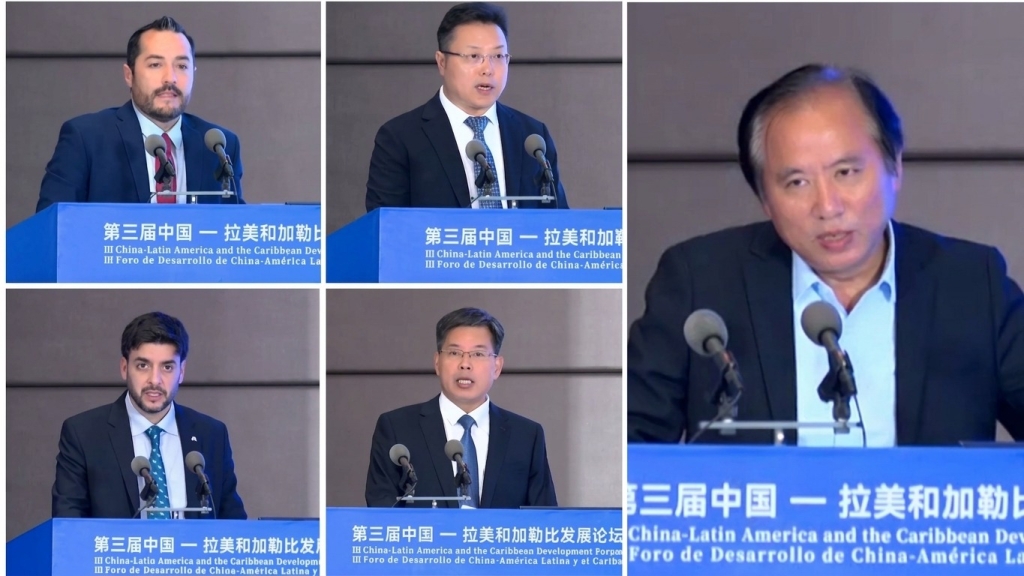
At the close of her speech, CHAI Yu highlighted that the Forum has established itself as a platform for dialogue between think tanks and various sectors in China and Latin America and the Caribbean, emphasising that its success would not have been possible without the tremendous effort of all parties involved.
She expressly thanked the authorities for their strategic vision, mentioning the Secretary-General of the ACS, Naomi Espinoza Madrid, and the Chief Economist of the FAO, Máximo Torero Cullen, for providing essential guidance for high-quality cooperation in the future.
She also extended her gratitude to the Latin American and Caribbean Economic System (SELA), the various participating organisations and the Zhengzhou Institute for their hard work in planning the event, reaffirming the ongoing commitment to promoting high-quality cooperation between China and Latin America and the Caribbean.